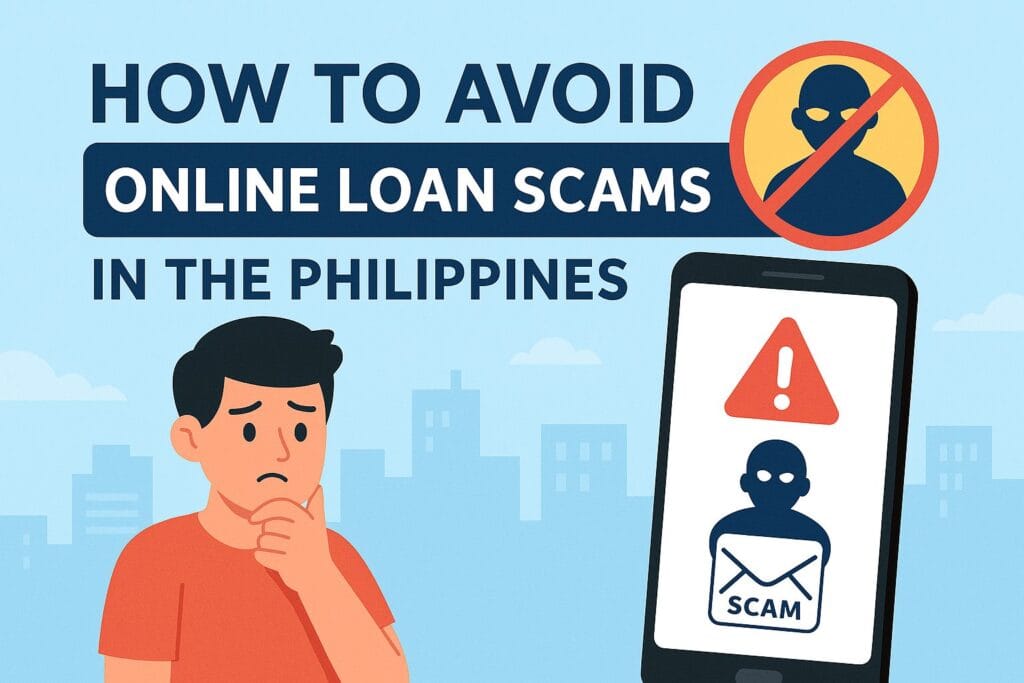
Online lending has become incredibly popular in the Philippines, offering fast approval and easy access to cash—especially during financial emergencies. But as digital loans rise, so do online loan scams that prey on unsuspecting borrowers.
👉 Compare Legit Online Loans in the Philippines (2026) to find trusted lenders with fast approval.
In 2026, protecting yourself from fake loan apps, phishing schemes, and unlicensed lenders is more important than ever.
In this guide, we’ll show you how to spot red flags, verify legit lenders, and stay safe while borrowing online. Whether you’re a first-time borrower or a seasoned loan user, these tips will help you avoid fraud and secure your finances with confidence.
🚨 Common Types of Online Loan Scams in the Philippines

Online loan scams in the Philippines are becoming more sophisticated in 2026. Here are the most common types to watch out for:
1. 🛑 Fake Lending Apps
Scammers often create fake mobile apps that mimic legit online loans in the Philippines, tricking users into thinking they are dealing with real lending platforms. These apps may look professional but are actually run by fraudsters aiming to collect your personal information or money.
Once you apply, these unregistered lending apps may:
- Steal your ID, bank details, or other sensitive data
- Ask for advance payments such as “processing” or “insurance” fees
- Vanish immediately after collecting your information or cash
Warning signs to watch out for:
- Requests for any type of upfront fee before you receive the loan
- The lender is not listed on the SEC’s official list of registered lenders
- No clear business address, poor or missing customer support, or vague company details
✅ To stay safe, verify the lender’s name using the SEC database before applying. This is one of the best ways to ensure you’re dealing with a legal loan provider and practicing safe online borrowing.
2. ⚠️ Advance Fee Scams
These scams promise loan approval but require you to pay a “processing,” “insurance,” or “reservation” fee first. After payment, the so-called lender becomes unreachable.
Tip: Legit lenders in the Philippines never require upfront payments before loan disbursement.
3. 📩 Phishing via SMS or Email
You might get a message saying you’ve been pre-approved for a loan—just click a link and submit your details. These are usually phishing attempts designed to steal your identity or access your accounts.
Avoid: Clicking unknown links or sharing sensitive information via SMS, email, or chat.
4. 🎭 Impersonation of Legitimate Lenders
Scammers clone trusted lender names, create fake Facebook pages or email addresses, and trick people into applying through unofficial channels.
How to spot it:
- Misspelled URLs or unusual email addresses
- Fake social media pages with few followers or fake reviews
- Asking for personal details outside secure platforms
✅ How to Spot a Loan Scam
Not all online lenders are trustworthy. Some are unregistered lending apps that may operate under convincing names but are not verified by government agencies.
| Red Flag | Why It’s Suspicious |
|---|---|
| Requests for advance fees | Legit lenders deduct fees from the loan amount, not upfront |
| No SEC registration | Means the lender is operating illegally in the Philippines |
| Unverified apps or websites | May be malicious platforms designed to steal your data or money |
| Poor grammar or pressure tactics | Common signs of scam messages and phishing attempts |
Tip: Always confirm if the lender is on the list of registered lenders by the SEC before applying. https://www.sec.gov.ph/lending-companies-and-financing-companies
🔒 7 Smart Tips to Protect Yourself from Loan Scams

1. ✅ Check the SEC Registration
Before applying, make sure the lender is listed among registered lenders with the SEC. This guarantees they follow legal lending practices in the Philippines.
2. ✅ Avoid Upfront Payments
Legit online loans in the Philippines will never ask for money before disbursement. If a provider demands cash up front, it’s likely a scam or unregistered lending app.
3. ✅ Download Apps Only from Official Stores
Only install loan apps from the Google Play Store or Apple App Store. Avoid suspicious .apk files or download links sent via chat or email.
4. ✅ Verify Contact Details
A real lending company should have a clear business address, contact number, and responsive customer support. Watch out for vague or missing details.
5. ✅ Read Reviews and Complaints
Search online using phrases like:
- “Lender name legit”
- “Lender name scam”
- “Unregistered lending app complaints”
This helps ensure safe online borrowing and protects you from financial harm.
6. ✅ Don’t Share Sensitive Data Too Early
Never send your ID, selfie, bank details, or personal documents unless you’ve verified the lender’s identity and legality.
7. ✅ Trust Your Instincts
If the offer doesn’t feel right or seems too good to be true, don’t proceed. Safe online borrowing should feel transparent, secure, and verifiable.
🙋 FAQs About Loan Scams in the Philippines
❓ How do I report a loan scam in the Philippines?
A: You can report scams to the Securities and Exchange Commission (SEC) through their official website. If your personal information was stolen, file a complaint with the National Privacy Commission (NPC) at privacy.gov.ph.
To learn how to report a loan scam in the Philippines, visit:
👉 https://www.sec.gov.ph/lending-companies-and-financing-companies/
❓ Is it illegal to lend money without SEC registration?
A: Yes. In the Philippines, any individual or company offering loans to the public must have a Certificate of Authority from the SEC. Lending without this is considered illegal and punishable by law.
❓ Are all online lending apps risky?
A: Not all online lending apps are scams. Many are legit and secure, especially those listed on the SEC’s official registry and compliant with the Philippine Data Privacy Act. Always verify the app before downloading.
✍️ Final Thoughts
Online loan scams in the Philippines are becoming more sophisticated, but with the right information, you can stay protected. Always take time to research, verify, and trust your instincts before applying for any loan. A few extra minutes of caution can save you from serious financial loss and emotional stress.
🔍 Need Help Finding Legit Loan Providers?
To explore verified, SEC-registered lenders in the Philippines.
✅ Fast, safe, and fully online
✅ 0% interest offers for first-time borrowers
✅ No hidden fees