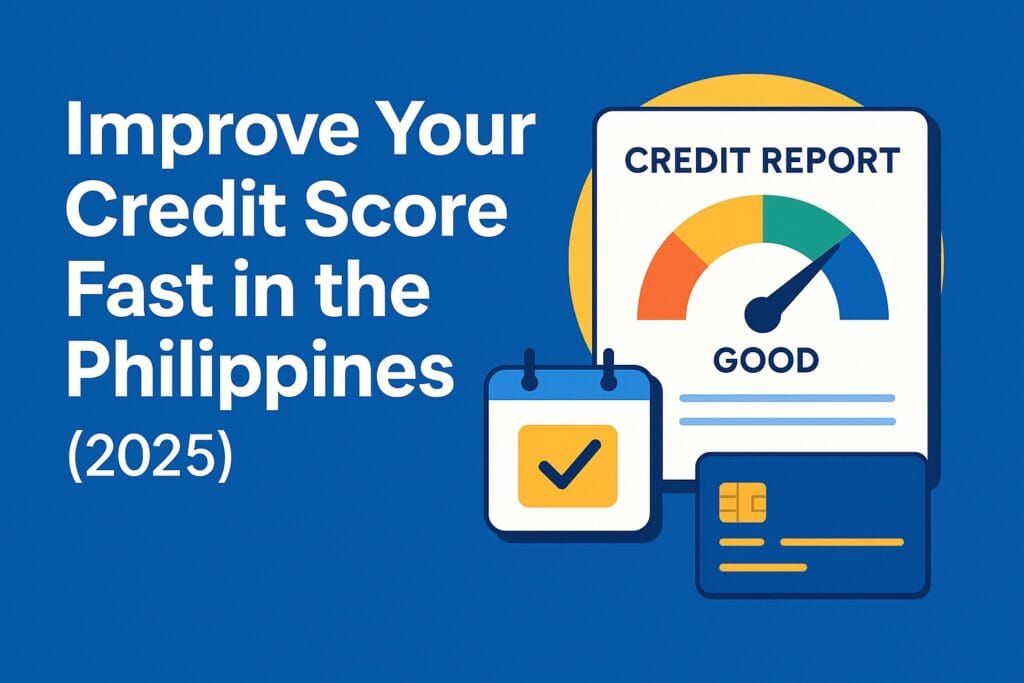
A strong credit score is one of the most important financial tools for Filipinos in 2026. Whether you’re applying for a personal loan, credit card, or even a mortgage, a high score gives you better chances of approval—and lower interest rates.
📈 Why Your Credit Score Matters
Having a good credit score in the Philippines can help you:
- ✅ Get approved for higher loan amounts
- ✅ Enjoy lower interest rates on loans and credit cards
- ✅ Qualify for installment plans and housing loans
- ✅ Build long-term trust with banks and financial institutions
But what if your credit score is low—or you don’t have one yet? Don’t worry. With the right steps, you can build or repair your credit faster than you think.
In this 2026 guide, we’ll walk you through 5 smart, proven ways to boost your credit score quickly in the Philippines—no shortcuts or scams, just responsible strategies that work.
✅ 1. Always Pay On Time
Why it matters:
Your payment history makes up the biggest portion of your credit score. Even a single missed or delayed payment can cause your score to drop significantly. It shows lenders that you may be unreliable with repayments—a red flag for future credit.
Smart Tip:
Set up payment reminders on your phone or activate auto-debit features from your bank or e-wallet. Whether you’re paying a credit card bill, a loan, or a “Buy Now, Pay Later” installment, staying on schedule helps you build a solid credit profile in the Philippines.
✅ 2. Keep Your Credit Usage Low
Why it matters:
Your credit utilization ratio—how much of your available credit you use—greatly impacts your credit score. Using too much of your limit signals financial stress to lenders. Ideally, you should use less than 30% of your total credit line.
Smart Tip:
If your credit card has a limit of ₱20,000, try to keep your balance below ₱6,000 each month. Even better, pay it off in full before the due date to avoid interest and show strong financial discipline.
💡 Looking for flexible online loan options with low credit score requirements?
➤ Compare fast online loans in the Philippines
✅ 3. Don’t Apply for Too Many Loans at Once
Why it matters:
Each time you apply for a loan or credit card, it triggers a hard inquiry on your credit report. Too many inquiries in a short period can lower your credit score and make lenders think you’re financially unstable or desperate for cash.
Smart Tip:
Only apply for a loan or credit card when you really need it. Compare lenders first to find the best offer—and avoid unnecessary rejections that could hurt your score.
✅ 4. Maintain Older Credit Accounts
Why it matters:
Credit history length is a key factor in your credit score. The longer your credit accounts have been active, the better. It shows lenders you have a track record of managing credit over time.
Smart Tip:
Avoid closing your oldest credit card or loan account, even if you don’t use it often. Instead, keep it open and use it occasionally for small purchases—then pay it off in full. This helps maintain a strong and stable credit history.
✅ 5. Check Your Credit Report for Errors
Why it matters:
Your credit score could be lowered by errors or outdated information—like incorrect payment records or accounts you didn’t open. Regularly reviewing your credit report helps you spot and dispute mistakes before they cause damage.
Smart Tip:
Request a copy of your credit report from the Credit Information Corporation (CIC) or accredited bureaus like CIBI, CRIF, or TransUnion Philippines. Do this at least once a year to ensure your credit profile stays accurate and healthy.
🔗 Need help finding your report?
👉 Request it directly from the Credit Information Corporation (CIC)
💡 Why Your Credit Score Matters in the Philippines
In 2026, your credit score is more than just a number—it’s a key trust factor that affects many aspects of your financial life. A good score can open doors to better deals, faster approvals, and bigger opportunities.
Here’s where your credit score plays a major role:
- 🏦 Banks and Online Lenders – Higher scores mean better chances of loan approval and lower interest rates.
- 🛒 Installment and “Buy Now, Pay Later” Services – Many merchants now check your credit profile before offering flexible payment plans.
- 🏘️ Housing or Business Financing – Whether you’re buying a home or starting a business, a strong score helps secure funding.
- 📱 Fintech Apps and Digital Platforms – Some apps use your credit data to determine your eligibility for digital loans or upgrades.
Bottom Line:
Improving your credit score gives you greater financial freedom, lowers your borrowing costs, and helps you build trust with financial institutions across the Philippines.
✍️ Final Thoughts
Improving your credit score in the Philippines doesn’t have to be overwhelming. With the right mindset and simple habits—like paying on time, keeping credit usage low, and checking your credit report—you can build your score faster than you think.
Start small, stay consistent, and take advantage of tools available from local lenders, fintech apps, and credit bureaus. A better credit score means more financial options, lower interest rates, and greater peace of mind in 2026 and beyond.
🙋 Frequently Asked Questions (FAQs)
Q: How can I check my credit score in the Philippines?
A: You can request your credit report through the Credit Information Corporation (CIC) or its accredited credit bureaus such as CIBI, CRIF, and TransUnion Philippines. Some providers even allow online access for convenience.
Q: How fast can I improve my credit score?
A: If you consistently pay on time, keep your credit usage low, and avoid unnecessary applications, you may start seeing positive changes within 3 to 6 months.
Q: Will checking my credit score hurt it?
A: No. When you check your own credit score, it’s called a soft inquiry, which has no impact on your score.
Q: Can I get a loan with a bad credit score?
A: Yes, but be prepared for higher interest rates or stricter terms. Some lenders offer No Credit Check Loans for borrowers with poor or limited credit history—but always review the terms carefully.
🔗 Related Articles