Online loans have become a practical option for many borrowers in the Philippines, especially when they need fast access to cash for urgent bills, emergencies, or short-term financial gaps. The application process is usually simple, the requirements can be lighter than traditional bank loans, and funds may be released quickly.
But convenience can also create risk.
Many borrowers focus too much on fast approval and not enough on repayment. A small online loan can become expensive if you do not fully understand the fees, due dates, and possible late payment charges. That is why responsible borrowing matters.
If you are thinking about taking an online loan, this guide will help you understand how to borrow more responsibly, avoid common repayment mistakes, and manage short-term loans more carefully in the Philippines.
Quick Answer: What Does Responsible Borrowing Mean?
Responsible borrowing means taking a loan only when necessary, borrowing only the amount you can realistically repay, and understanding the full repayment cost, due dates, and penalties before you apply. In the Philippines, this is especially important with online loans, where fast approval can make it easy to overlook the real cost of borrowing.
Why Responsible Borrowing Matters with Online Loans
Online lending apps and digital loan platforms have made borrowing faster and more convenient in the Philippines. For many people, that can be helpful during emergencies or temporary cash shortages.
However, fast approval can also encourage rushed decisions.
Some borrowers apply without checking the total repayment amount, the exact due date, or the cost of extending the loan. Others submit applications to multiple lenders at the same time, which can lead to overlapping repayment schedules and unnecessary financial pressure.
Responsible borrowing is not about avoiding loans completely. It is about making sure the loan solves a short-term need without creating a bigger problem later.
1. Borrow Only When the Need Is Real
The first rule of responsible borrowing is simple: only borrow for a clear and necessary reason.
Online loans are usually best for short-term essential needs such as:
- Emergency medical expenses
- Utility bills
- Temporary salary gaps
- Family-related urgent expenses
- Other unavoidable short-term costs
They are usually less suitable for:
- Impulse shopping
- Non-essential upgrades
- Lifestyle spending
- Entertainment or travel without a repayment plan
If you cannot clearly explain why you need the loan, it may be a sign that borrowing is not the right choice right now.
2. Focus on Total Repayment, Not Just Fast Approval
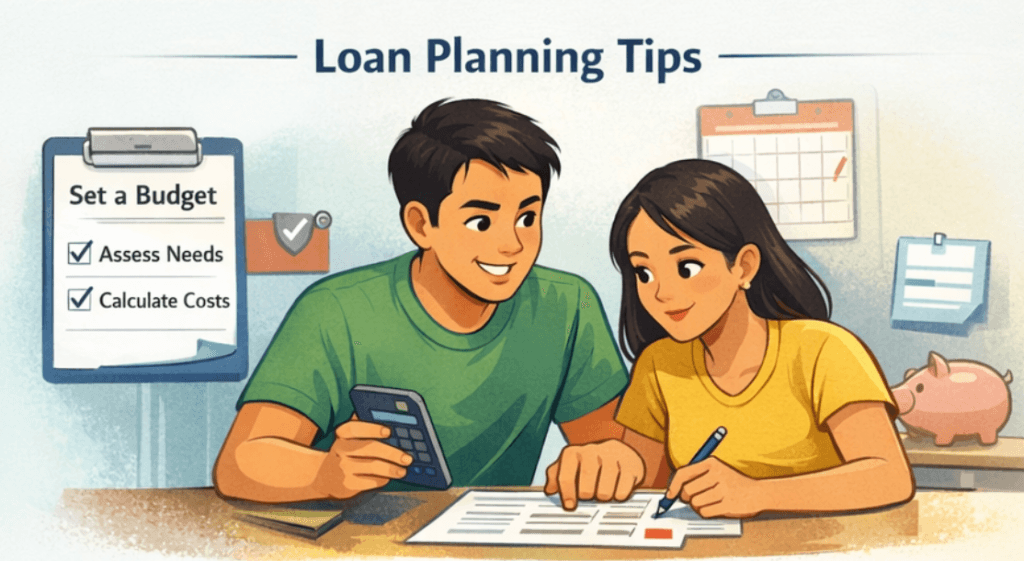
One of the most common mistakes borrowers make is paying attention only to how quickly they can get approved.
Fast approval sounds attractive, but the more important question is:
How much will you need to repay in total?
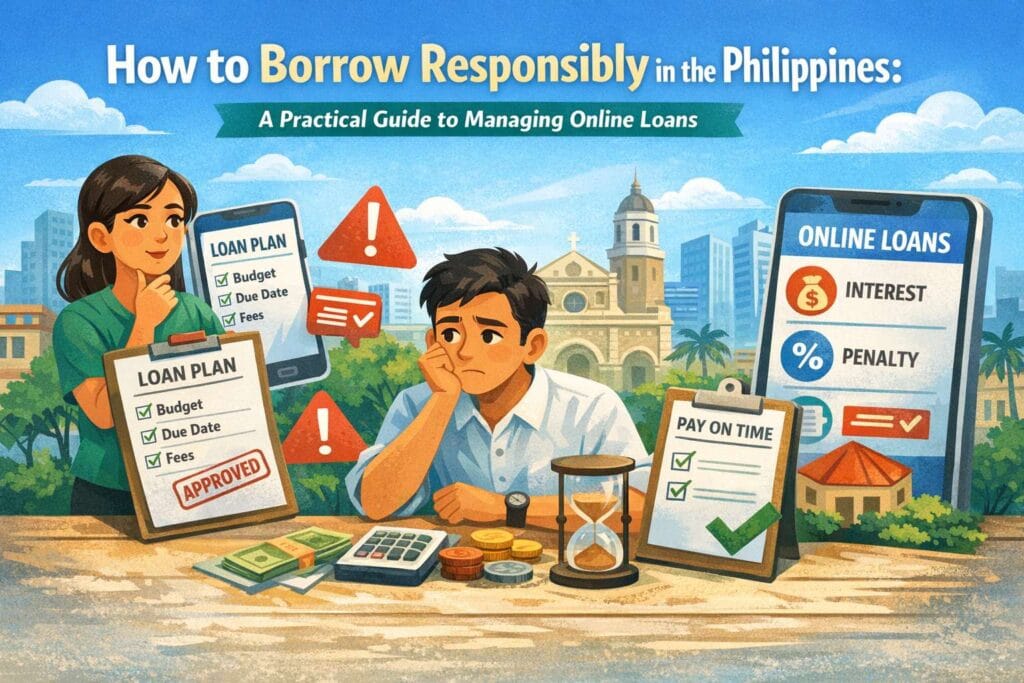
Before accepting any loan offer, review:
- The full repayment amount
- The exact due date
- Interest or service fees
- Late payment penalties
- Extension or rollover fees
For example, a ₱10,000 loan may look manageable at first, but the most important number is the total amount due, not just the amount you receive.
A responsible borrower focuses on the real cost of borrowing, not only how fast the money can be released.
3. Keep the Loan Amount as Small as Possible
Even if a lender offers you a higher approved amount, that does not mean you should take the maximum.
A safer borrowing habit is to:
- Borrow only what you actually need
- Keep the repayment amount manageable
- Reduce the risk of penalties
- Avoid needing another loan later
Many borrowers get into trouble not because they borrowed, but because they borrowed more than they could comfortably repay.
In most cases, the smaller and more manageable the loan, the safer it is.
4. Make Sure the Due Date Matches Your Cash Flow
A loan is only manageable if the repayment schedule fits your actual income timing.
Before borrowing, ask yourself:
- When is my next salary or income date?
- Will I still have enough for rent, food, utilities, and transport?
- Can I repay this loan without sacrificing essentials?
This is especially important for short-term online loans in the Philippines, where repayment windows may be tighter than borrowers expect.
If the due date falls before your next income or would leave you financially strained, the loan may be too risky.
5. Read the Fine Print — Especially the Penalty Rules
Responsible borrowing is not just about getting approved. It is about understanding what happens if something goes wrong.
Before accepting a loan, check:
- What happens if you miss the due date
- Whether the lender charges daily or fixed late fees
- Whether extensions are allowed
- How much an extension really costs
- How the lender handles reminders and collections
Many borrowers only notice these details after they are already late. By then, the loan can become much harder to manage.
Understanding the penalty rules in advance can help you avoid surprises and make a better decision before borrowing.
6. Avoid Applying to Multiple Lenders at the Same Time
When borrowers feel pressured, they sometimes apply to several online lenders at once, hoping that at least one will approve them.
This can be risky because:
- You may end up with more than one approved loan
- Repayment dates can overlap
- Multiple obligations become harder to track
- It increases the chance of borrowing more than you planned
If you are comparing options, it is usually better to review lenders first before submitting multiple applications.
Compare Before You Apply
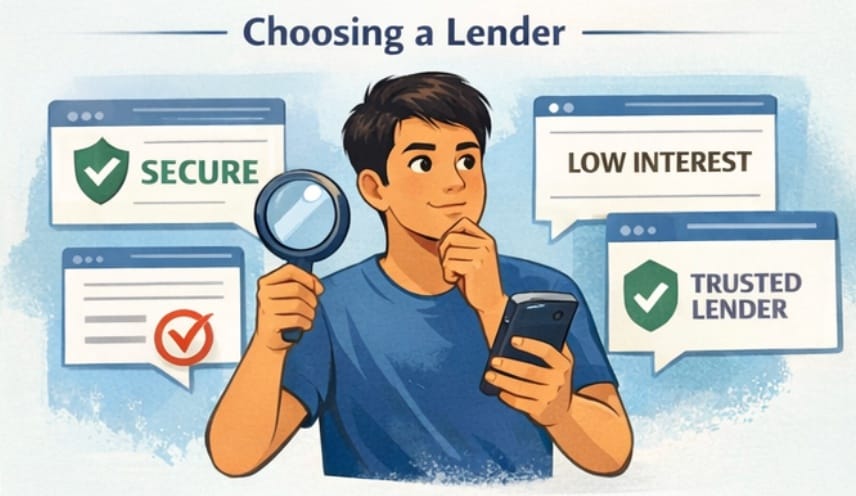
If you are considering an online loan in the Philippines, it is worth reviewing a few popular options before you apply. Many borrowers start by comparing platforms such as MoneyCat, Finbro, and Cash Express, especially for short-term cash needs. Approval speed can be helpful, but repayment cost matters more. Reviewing lenders first can help you avoid applying to several apps at once and choose the option that better matches your budget and repayment schedule.
👉 You can start by reading lender reviews on Cash24.ph before making a final decision.
7. Set a Repayment Reminder Before the Money Arrives
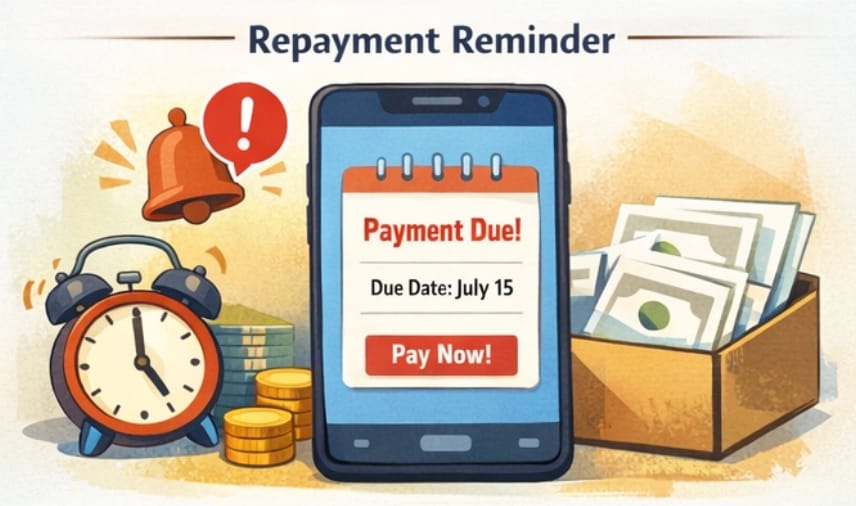
One of the easiest ways to borrow more responsibly is to plan repayment before you receive the funds.
As soon as you take the loan:
- Save the due date in your calendar
- Set reminders 3–5 days before repayment
- Confirm the repayment channel in advance
- Keep the required funds separate if possible
Some borrowers wait until the due date is close before thinking about repayment. That often leads to rushed decisions, missed deadlines, or needing another loan to cover the balance.
A good habit is to treat repayment as part of the loan process from day one.
8. Do Not Rely on Extensions or Rollovers
If you are already thinking about extending the loan before you even borrow it, that is a warning sign.
Extensions or rollovers may sound helpful, but they often come with additional fees that increase the total cost of borrowing.
Relying on extensions repeatedly can lead to:
- Higher overall repayment
- Ongoing debt pressure
- Difficulty catching up financially
- A cycle of borrowing that becomes harder to break
Whenever possible, take a loan only if you believe you can repay it within the original agreed term.
9. Build Better Borrowing Habits for the Future
Responsible borrowing is not only about the current loan. It is also about protecting your future financial flexibility.
Good borrowing habits include:
- Borrowing only when necessary
- Comparing lenders carefully
- Keeping loan amounts low
- Paying on time
- Avoiding repeated short-term borrowing
- Not using one loan to repay another
These habits can make future borrowing decisions easier and reduce the risk of long-term financial stress.
Common Online Loan Mistakes to Avoid in the Philippines
Before you apply, avoid these common mistakes:
- Focusing only on “instant approval” instead of total repayment cost
- Borrowing more than you actually need
- Ignoring late fees and penalty terms
- Applying to too many lenders at once
- Missing the due date because of poor planning
- Depending on extensions repeatedly
- Using one loan to pay another
Avoiding these mistakes can make a major difference in how manageable your loan feels over time.
Final Thoughts
Online loans can be useful in the Philippines when they are used carefully and with a clear repayment plan. The key is not just getting approved — it is making sure the loan remains manageable after the money is released.
Before you borrow, remember these essentials:
- Borrow only for a real need
- Focus on total repayment, not just approval speed
- Keep the loan amount as small as possible
- Understand fees, due dates, and penalties
- Repay on time without depending on rollovers
At Cash24.ph, we believe responsible borrowing starts with better comparison and clearer expectations. The more you understand a loan before applying, the easier it is to avoid costly mistakes later.
⚠️ Frequently Asked Questions (FAQ)
1. Is it safe to borrow from online lending apps in the Philippines? Yes, but only if the lender is registered with the Securities and Exchange Commission (SEC). Always check the lender’s Corporate Name and Certificate of Authority number before providing any personal information.
2. What happens if I cannot pay my online loan on time? Missing a payment usually leads to late fees, which can accumulate daily. It may also affect your future credit standing with other lenders. If you are struggling, contact the lender immediately to discuss repayment options instead of avoiding their calls.
3. Can I have multiple online loans at the same time? While possible, it is not recommended. Managing multiple due dates increases the risk of missed payments and can lead to a “debt trap” where you borrow from one app just to pay off another.
4. How much should I ideally borrow? A good rule of thumb is to borrow only what you need for a specific emergency and ensure the total repayment (including interest) does not exceed 20-30% of your monthly take-home pay.